
Understanding
Meniscus Tear
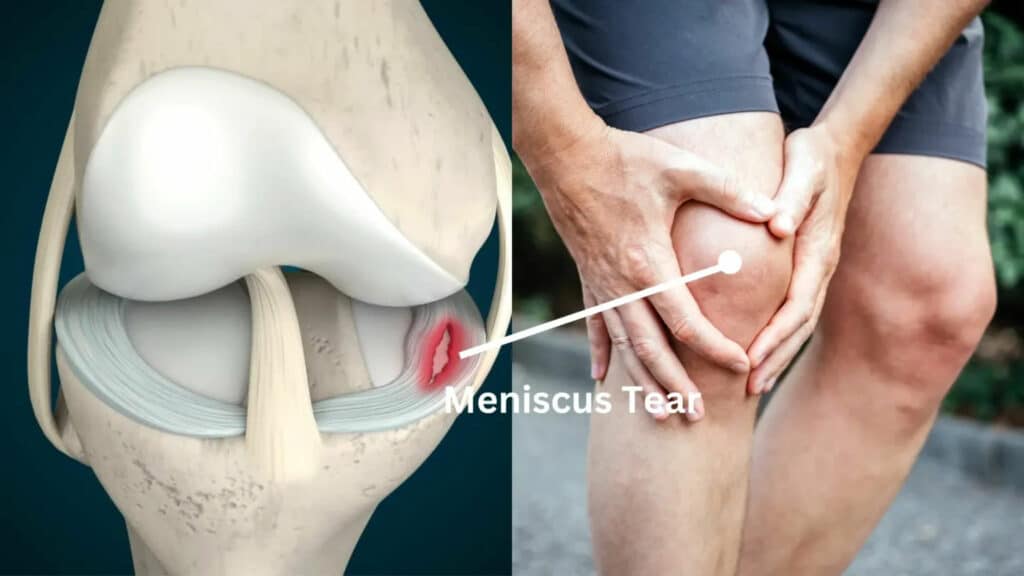
A Meniscus Tear is one of the most common knee injuries affecting the cartilage that cushions and stabilizes the knee joint. The meniscus acts as a shock absorber between the thigh bone (femur) and shin bone (tibia). When this cartilage tears due to sudden twisting, sports injuries, aging, or excessive pressure on the knee, it can cause pain, swelling, stiffness, and difficulty in movement.
Anatomy of the Meniscus Tear
The meniscus is a crescent-shaped piece of cartilage found in your knee that plays a crucial role in cushioning and stabilizing the joint. It functions as a shock absorber, preventing excessive friction and wear on the bones. Each knee contains two menisci:
- The medial meniscus located on the inner side of the knee.
- The lateral meniscus positioned on the outer side of the knee.
What is a Meniscal Tear?
A Meniscal Tear is a type of knee injury that frequently occurs among athletes participating in contact sports. It often occurs when the knee is twisted or bent suddenly (knee injury), causing a tear in the cartilage. As people age, the meniscus can weaken and degenerate, making older adults more susceptible to meniscal tears due to cartilage deterioration.
Types Meniscus Tear
Meniscus Tear types depend on the severity of the injury.
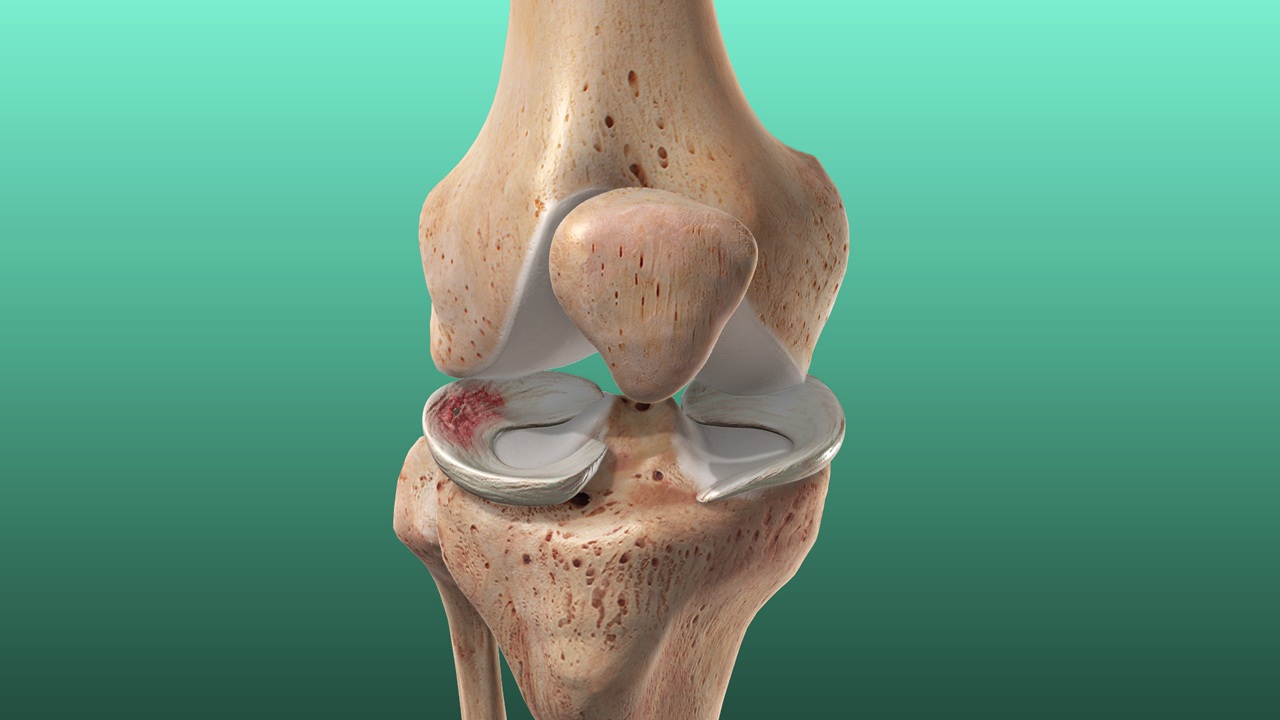
Trauma
A sudden twist in the knee, often occurring with abrupt stops, pivots, or jumps. Meniscus tears are frequently seen in high-impact sports like football and wrestling, as well as in non-contact sports that involve pivoting.
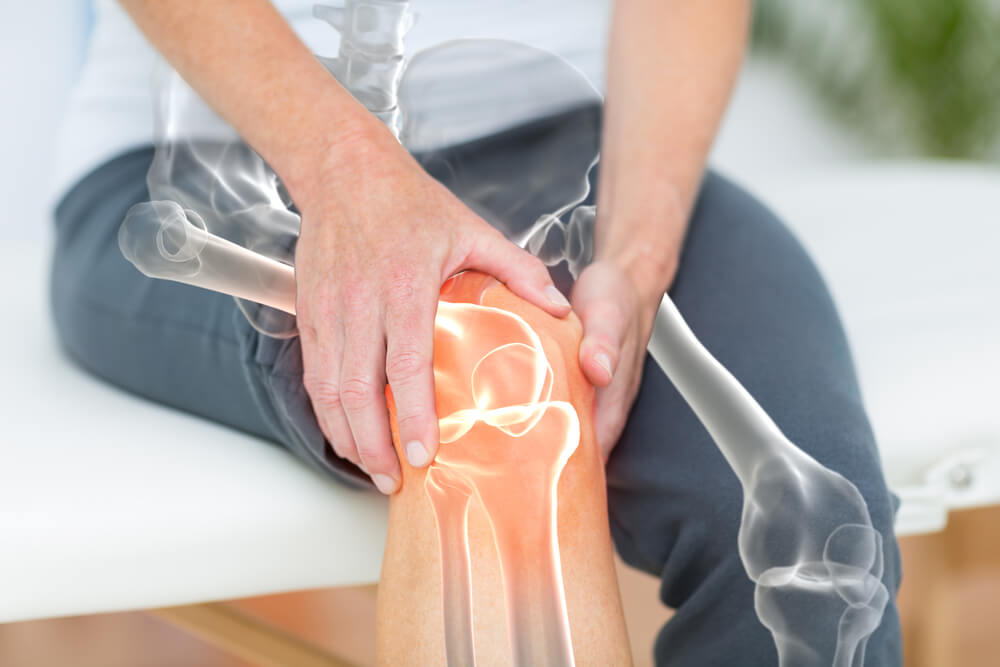
Degenerative Diseases
A degenerative meniscus tear is an atraumatic, age-related breakdown of the knee cartilage. Often occurring alongside or as part of knee osteoarthritis, it happens when repetitive, normal forces wear down weakened .
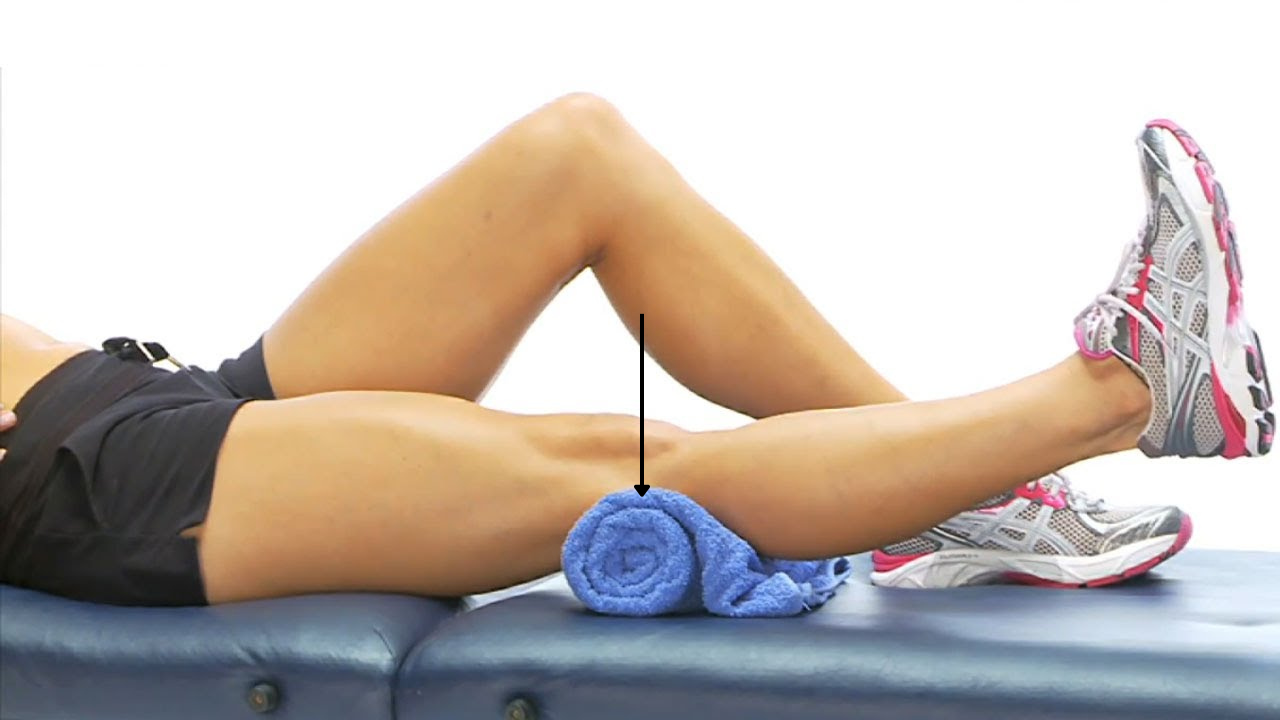
Additional Activities
Managing a meniscus tear requires gentle, low-impact activities that strengthen the supporting leg muscles without stressing the knee joint. Key recovery movements include quad sets, straight leg raises, and heel slides.
When is treatment recommended?
A torn meniscus symptoms can vary from person to person, but if the symptoms have grown to be very painful or if you are encountering any of the following, you must consult an expert immediately:
- Pain in the knee joint, often felt on the inner (medial), outer (lateral), or rear side of the knee
- Swelling around the knee
- A sensation of the knee cracking or locking
- Difficulty fully straightening or bending the knee
- Limping or difficulty walking
- These symptoms can resemble those of other knee conditions or issues.
Candidate eligible for Meniscus Tear
Recovery Time
- Mild tear: 4–8 weeks
- After surgery: 2–6 months depending on treatment type
If you want, I can also provide:
- Symptoms of Meniscus Tear
- Types of Meniscus Tears
- Meniscus Tear Anatomy
- Physiotherapy exercises
- Post-surgery precautions
- Diet for faster recovery
- Arthroscopic surgery details
Frequently Asked Questions
Dr. Vishal Kasliwal is a leading orthopedic surgeon in Nashik with over 15 years of experience in joint replacement and arthroscopy surgeries. He has successfully performed more than 5,000 orthopedic procedures.
Kasliwal Hospital is centrally located on Gangapur Road, Nashik, offering advanced orthopedic care and specialized joint replacement services.
Kasliwal Hospital is Nashik’s only center exclusively performing Total Knee Replacement using the advanced Stryker Nav 3 Computer Navigation System, ensuring greater precision and improved surgical outcomes.
Kasliwal Hospital is Nashik’s only center exclusively performing Total Knee Replacement using the advanced Stryker Nav 3 Computer Navigation System, ensuring greater precision and improved surgical outcomes.
Oxford Partial Knee Replacement is a minimally invasive procedure that replaces only the damaged part of the knee while preserving healthy bone and ligaments, allowing for faster recovery and more natural knee movement.
Benefits may include:
- Smaller incision
- Less pain after surgery
- Faster recovery
- Shorter hospital stay
- More natural knee movement
- Preservation of healthy bone and ligaments
Recovery varies by patient, but most patients can resume daily activities within 4–6 weeks. Full recovery and rehabilitation may take several months depending on individual health and physiotherapy progress.
Yes, Kasliwal Hospital has a dedicated physiotherapy and rehabilitation team that supports patients before and after surgery to ensure optimal recovery.
Yes, joint replacement surgeries are highly successful procedures when performed by experienced orthopedic surgeons using advanced technology and proper post-operative care.
Patient Testimonials
Innovations That Move You Forward
Trustindex verifies that the original source of the review is Google. Posted on GoogleTrustindex verifies that the original source of the review is Google. Thank you Dr.Vishal sir, Best Hospital, Best tritment...Posted on GoogleTrustindex verifies that the original source of the review is Google. We recently underwent ACL surgery for my husband, Mr. Jitendra Jagtap, under the expert guidance of Dr. Vishal Kasliwal, and our experience has been truly exceptional. This was not our first experience with the hospital, as two years ago we had also undergone TKR surgery of my mother in law at the same hospital with the same doctor. Once again, the care, professionalism, and support exceeded our expectations. Dr. Vishal Kasliwal is undoubtedly one of the best orthopedic surgeons. His clarity in explaining every minute detail, his confidence in treatment, and his deep understanding of the condition provide immense reassurance to both the patient and family. Most importantly, he ensures that patients are emotionally satisfied and mentally prepared throughout the journey of recovery. A special mention to Mr. Pravin for his attentive nature and excellent hospitality support. He was always available and ensured that everything was managed smoothly and comfortably. We are truly grateful for the outstanding care and highly recommend Dr. Vishal Kasliwal and his team to anyone seeking orthopedic treatment. Thank you Vishal sir and team😊Posted on GoogleTrustindex verifies that the original source of the review is Google. One of the best orthopedics surgeon in North Maharashtra My mother underwent both knee replacement We were very happy to see her walk the very next day Dr is very kind and humble He guided us very patiently throughout the journey Now it is already 2 months post surgery and my mother is back on her toes walking trekking travelling and can do whatever she want like her knee pain never existed 🙏🙏 Thank You Dr Vishal Kasliwal Sir Grateful 🙏Posted on GoogleTrustindex verifies that the original source of the review is Google. Great Doctor team.very supportive all Doctor's and staff..Posted on GoogleTrustindex verifies that the original source of the review is Google. Posted on GoogleTrustindex verifies that the original source of the review is Google. Absolutely best treatment 🙌🏻Posted on GoogleTrustindex verifies that the original source of the review is Google. Vishal sir is very knowledgeable, humble and experienced person.....one of the best ortho surgeon not in the city but also in the state..... Hospital staff is very supportive.....Dr.Pravin sir is also very supportive and caring....Must visit if you have any Ortho related issues.....Posted on GoogleTrustindex verifies that the original source of the review is Google. Best orthopedic surgeon in the city.....guinune and humble person.....discuss every aspects truly.....give proper guidance and advice to the patient and relatives...Posted on GoogleTrustindex verifies that the original source of the review is Google. Dr. Vishal Kasliwal is an expert in replacement surgery in Nashik.Recently, I had a total knee replacement surgery.I had a very good experience and treatment from Dr. Vishal Sir.Cooperative, caring staff and a clean environment.I would like to give special thanks to Dr. Vishal and his staff. 🙏🙏🙏🙏🙏🙏